A handshake that didn't deliver
On 11 May 2026, negotiators from the United States and China shook hands in Switzerland on a 90-day tariff truce. Part of the agreement was supposed to be the restoration of rare earth export licences to American buyers. Two weeks later, the licences still had not arrived.
For most investors, this is one more chapter in a trade war that has been running for years. For anyone watching the rare earth supply chain, it was the moment a structural problem became impossible to ignore.
Seven heavy rare earth elements were placed under Chinese export licence in April 2025: dysprosium, terbium, yttrium, scandium, samarium, gadolinium and lutetium. They sit inside roughly 30 per cent of Pentagon programmes, including the F-35 fighter jet, which carries around 920 pounds of rare earth content per aircraft. They run the permanent magnets inside electric vehicle motors, wind turbine generators and MRI scanners.
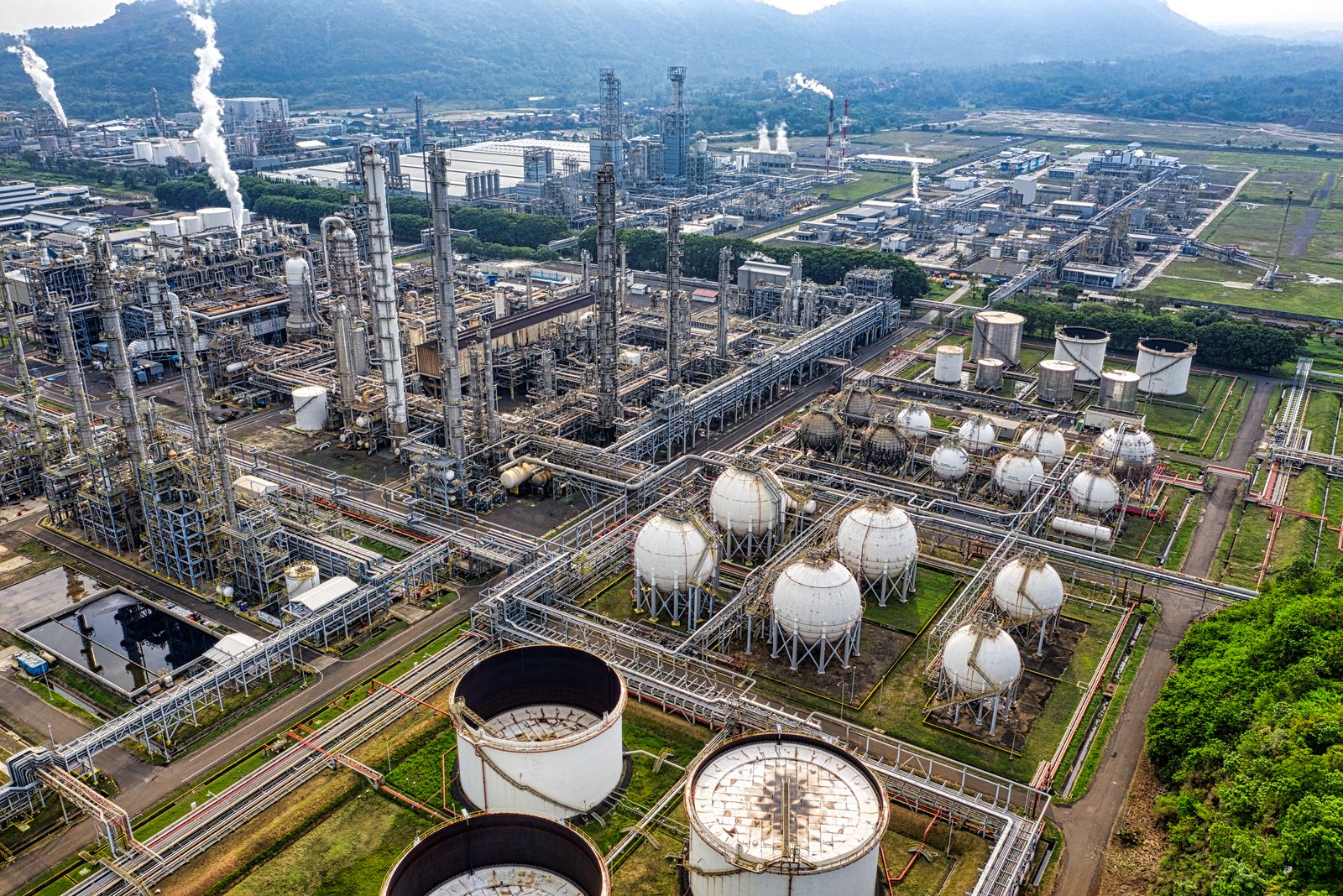
Most of the global supply flows through a single processing province inside China.
The Western answer that didn't exist twelve months ago
The West has spent two decades aware of this dependency without doing much about it. As of mid-2026, fewer than 12 per cent of the world's dysprosium supply comes from outside China. The figure is unlikely to shift materially before the end of this decade.
Twelve months ago, there was effectively no commercial-scale non-Chinese heavy rare earth supply chain. Today there are three projects on a credible path to production. One of them sits six kilometres north of Cue, a small town of roughly one hundred residents in Western Australia's Midwest.
The project is North Stanmore. The owner is Victory Metals (ASX:VTM).
What is actually on the ground at North Stanmore
Victory Metals released its updated mineral resource estimate for North Stanmore in March 2025. The disclosed figures, reported in accordance with the JORC Code 2012, sit at:
- 320 million tonnes total mineral resource
- 176 million tonnes in the Indicated category
- 144 million tonnes in the Inferred category
- 50+ million tonnes in a defined high-grade zone
The production target sits at 2.4 million tonnes per annum, supporting a mine life of more than twenty years from the high-grade zone alone.
Those numbers are unusual on the ASX. The differentiator is what's inside them.
The basket that makes this strategic
Most rare earth projects report a single grade figure: total rare earth oxide, or TREO. The number sounds impressive on its own. It hides a more important detail: the basket composition.
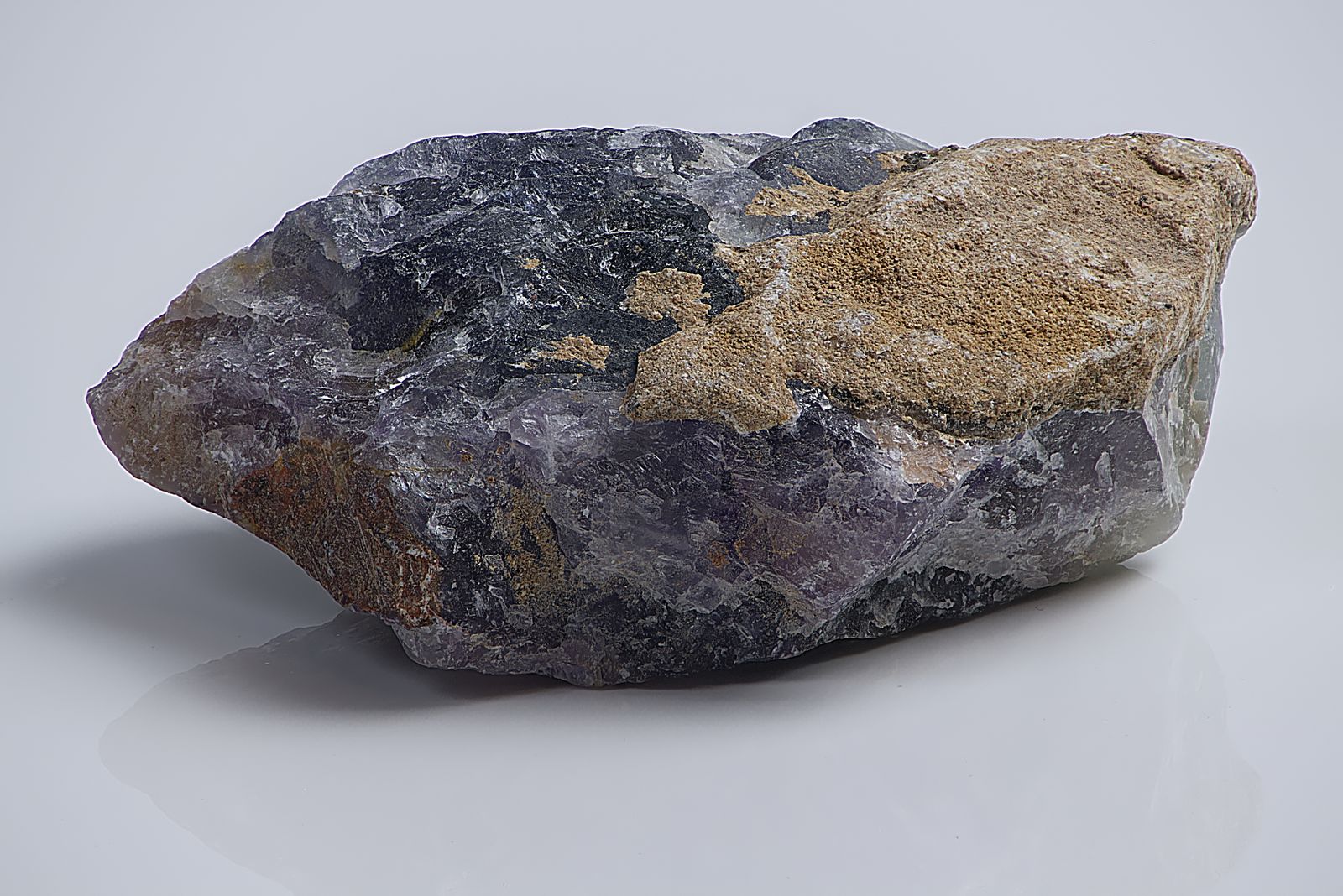
Light rare earths like lanthanum and cerium are geologically abundant. Some have industrial uses. Many do not. The strategically scarce elements - the ones China placed under export licence in April 2025 - sit inside the heavy rare earth bucket. Dysprosium and terbium are the two most prized.
North Stanmore's basket is 38 per cent heavy rare earth oxide of its total rare earth oxide content. Most ex-China rare earth projects average closer to 10 per cent. That ratio is, by Victory Metals' disclosure and corroborated by independent market intelligence, market-leading.
Translated to plain English: 38 cents of every dollar of rare earth value coming out of the ground at North Stanmore is the strategically scarce kind. At most other projects, that figure is closer to 10 cents.
Why the mining type matters
There are five ways to extract rare earths from the ground. Each comes with different capital requirements, processing complexity and environmental footprint.
| Mining type | Acid cracking required? |
|---|---|
| Hard rock | Yes |
| Regolith clay (primary) | Yes |
| Regolith clay (secondary) | No |
| Ionic clay | Yes |
| Mineral sand (monazite) | Yes |
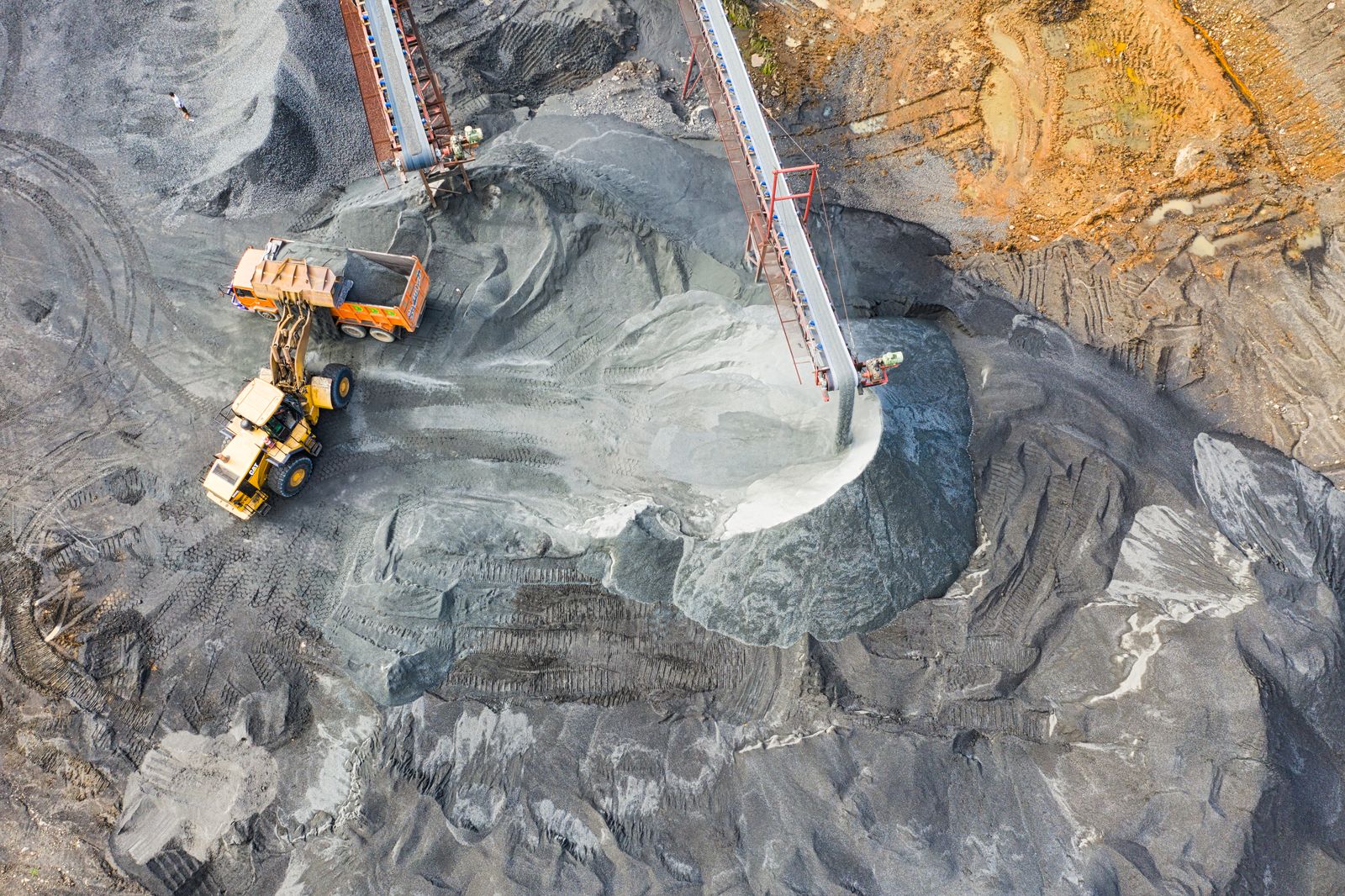
Acid cracking is the highest-cost, highest-permit-risk stage of rare earth processing. It is where many rare earth projects historically die during the feasibility stage. Secondary regolith clay is the one path that skips it. The rare earths sit in a phase recoverable through flotation alone. Free dig, flotation, concentrate. No acid cracking required.
North Stanmore is, by Victory Metals' technical disclosures, the only commercial-scale secondary regolith clay heavy rare earth project on the ASX.
Metallurgical testwork has returned 80 per cent rare earth recovery in 30 minutes, versus the four-hour textbook assumption that historically defined the sector. The project has disclosed a 48-times flotation upgrade to 5.9 per cent TREO concentrate and recovery rates of 70 per cent on dysprosium, 75 per cent on terbium and 70 per cent on yttrium.
External validation
The project has not been operating in isolation. Three external markers matter for retail investors trying to gauge institutional positioning:
- Sumitomo Corporation, one of Japan's largest trading houses, has signed an offtake agreement covering future production from North Stanmore.
- U.S. System for Award Management approval: Victory Metals holds SAM approval, which clears the company for U.S. Department of Defense and Export-Import Bank funding pathways. Not many ASX-listed explorers have it.
- Pre-feasibility study is scheduled for 2026, with a pilot plant scheduled for 2027.
Why this matters now
For investors trying to make sense of the broader rare earth story, the geometry has become hard to look past.
The Switzerland truce didn't unlock supply. Pentagon stockpiles are publicly disclosed at roughly two months of heavy rare earth coverage. Dysprosium prices doubled within the first quarter of the April 2025 export controls. U.S. manufacturers have started pausing production lines as magnet inventories run down. The non-Chinese heavy rare earth supply chain that the West needs does not yet exist at scale.
It is being built. North Stanmore is one of the projects being built.
Sources: ASX:VTM announcements (refer to LR 3.1 for material information); USGS Mineral Commodity Summary 2024; Reuters reporting on the May 2026 U.S.-China tariff truce; Bruegel and CSIS analysis of Chinese export controls; Strategic Metals Invest dysprosium price data; Argus Media March 2026 rare earth market outlook.
Information is general in nature only and does not constitute financial advice. Past performance is not indicative of future performance. Forward-looking statements involve risks and uncertainties and actual results may differ materially. Mineral resource estimates are reported in accordance with the JORC Code 2012. Refer to the ASX:VTM resource announcement of 12 March 2025 for the Competent Person Statement and full technical disclosure. Speak with a qualified financial, legal and tax adviser before making any investment decision.